Your Guide to Pursuing a Master’s in Cybersecurity
Join the fight against cyber threats by pursuing your master’s degree in cybersecurity at DU!
Advance your career with an MS in Cybersecurity from the University of Denver’s Daniel Felix Ritchie School of Engineering and Computer Science. The program is recognized by Fortune Recommends as one of Colorado’s best cybersecurity programs and is accredited by the National Security Agency (NSA) National Center of Academic Excellence in Cyber Defense.
The Ritchie School’s cybersecurity program blends computer science and cybersecurity education to provide you a solid technical background in technology. We offer three introductory courses for students with no IT background.
Program at a Glance:
- Program length: 24 months
- Start dates: September
- Credit hours: 48-60 Credit hours completed in quarter terms
- Classes: Evening classes and in-person courses allow for networking and hands-on learning
Why Choose DU’s MS in Cybersecurity?
What sets the Ritchie School program apart is our tool-agnostic approach, focusing on technical skills and foundational knowledge. You’ll learn - Security programming, Digital forensics, Ethical hacking and penetration testing, and networking and network security while in the program.
These skills prepare you for any industry in cybersecurity careers such as security analyst, network security operations, pen-tester/red-teamer, cloud security engineer, security engineer, and more.
What key benefits will I get with this program?
Small cohorts allow you to work closely with expert faculty
Taught by full-time cybersecurity faculty and experts, you’ll learn to think strategically about the program, gaining a comprehensive understanding and tools, including protecting security information systems and infrastructure; detecting, countering, recovering, and preventing cyber incidents; ensuring availability and integrity of data resources; assessing security risk; and cybersecurity policy.
Courses help prepare you for certifications
The courses align closely with industry-recognized certifications, including CompTIA Security+ and Network+, and CEH etc. While we don’t provide the certifications, the courses cover more in-depth material to help you take the certifications without much additional preparation.
Pursue your career interests with your capstone
Our program includes a capstone that allows students to focus on what aspect of cybersecurity interests them most. Students can also choose to intern in the field or work on cutting-edge research or projects in whatever space they choose.
What is the career outlook in Cybersecurity?
Obtaining a Master's in Cybersecurity may bring benefits such as increased earning potential, leadership and management opportunities, career advancement leading to senior-level positions, and a deeper understanding of cybersecurity applied practices. The Bureau of Labor Statistics estimates 32% job growth by 2028 and a median salary of $112,000K for cybersecurity and security analysts (put in citation). Colorado saw a 5.5% increase in job postings for cybersecurity or information security analysts between 2024 and 2025, highlighting the demand for these fields across industries (put in citation for lightcast).
Be a Part of Colorado’s Thriving Tech Scene
Many of our graduates choose to build their careers in the vibrant Denver metro area, where innovation and technology opportunities continue to expand. According to a recent DU economic impact report, 76,000 DU graduates currently live in Colorado, with more than 22,000 residing in Denver.
Program Structure
There are three foundational courses for those who do not have computer science backgrounds: Foundations in Computer Systems, Foundations in Discrete Structures & Algorithms, and Foundations in Python Programming.
Students will then take a total of 48 credit hours in required course and 4 credit hours of electives.
Simple Application Process
Applying to the program is simple and straightforward. You’ll need:
- Official transcript from your undergraduate institution
- Current resume highlighting relevant experience
- A personal statement (min. 300 words)
No GRE or GMAT is required. No prior technology degree necessary.
Tuition & Financial support
The MS in Cybersecurity program is offered at a reduced rate of $859 a credit hour, 50% less than traditional graduate programs.
- Tuition: $41,232 - $51,540
- Funding Options Available
- FAFSA: see if you qualify for reduced tuition
- Employer tuition reimbursement
- GI Bill benefits for veterans and dependents
Need personalized guidance? Contact our enrollment manager, Kevin Alt, for answers to all your questions.
Why Choose the Ritchie School?
At the Ritchie School of Engineering and Computer Science, we provide access to a curriculum aligned with industry trends. Expert faculty with experience as innovators and systems engineering leaders; a dynamic virtual learning environment that fosters collaboration with peers and instructors; a prime location in Denver’s booming technology corridor.
Take the Next Step in Your Cybersecurity Career
Ready to advance your career with valuable cybersecurity skills? Our program provides the flexibility, expertise, and industry connections you need to succeed in today's competitive market.
Schedule a Call with Graduate Advisor
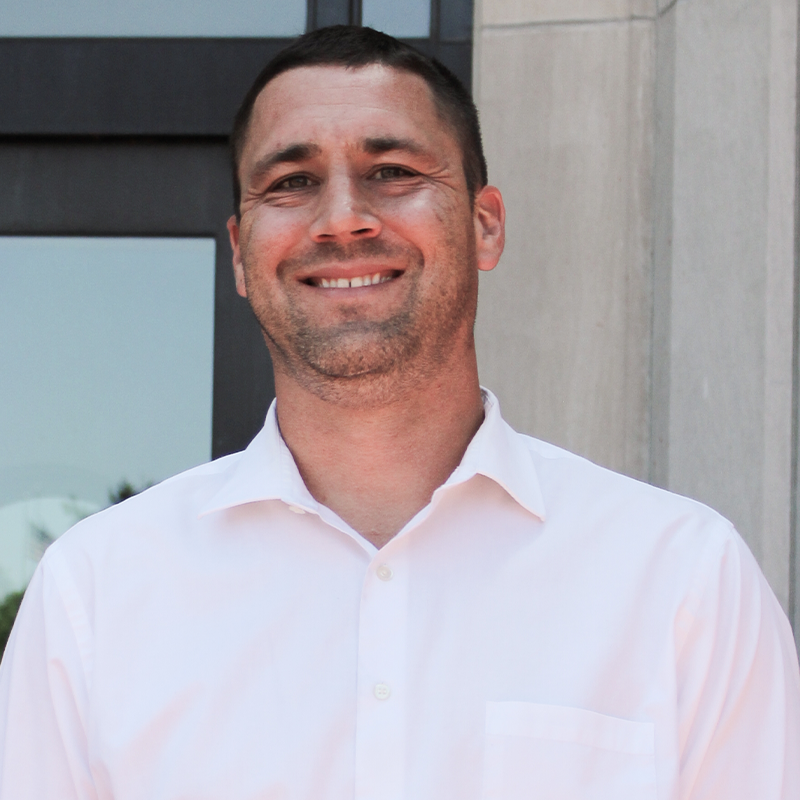 |
Kevin Alt |
FAQs
What are the prerequisites for admission?
Applicants need a bachelor’s degree from an accredited institution. Students who do not have computer science background can take the three foundational courses or can complete the computer science placement exam to opt out of the foundational courses.
Can I work while completing this program?
Absolutely! Our evening classes are specifically designed for working professionals, with flexible scheduling that accommodates busy careers and personal commitments.
What types of financial aid options are available to online students?
Students can apply for federal aid or explore employer tuition reimbursement options. Veterans can use their GI Bill benefits with support from our Office of Veterans & Military Resources.
Do you partner with organizations for corporate training?
We partner with organizations to create impactful learning experiences that deliver a measurable return on investment. Committed to working collaboratively, we will meet with your organization to identify the most relevant content and tailor the curriculum accordingly to best align with your needs, culture, initiatives, and budget.
Are classes live or pre-recorded?
Our program features live, synchronous classes that allow real-time interaction with instructors and peers.
How long does it take to complete the program?
The complete MS degree can be finished in two to three years for most students.